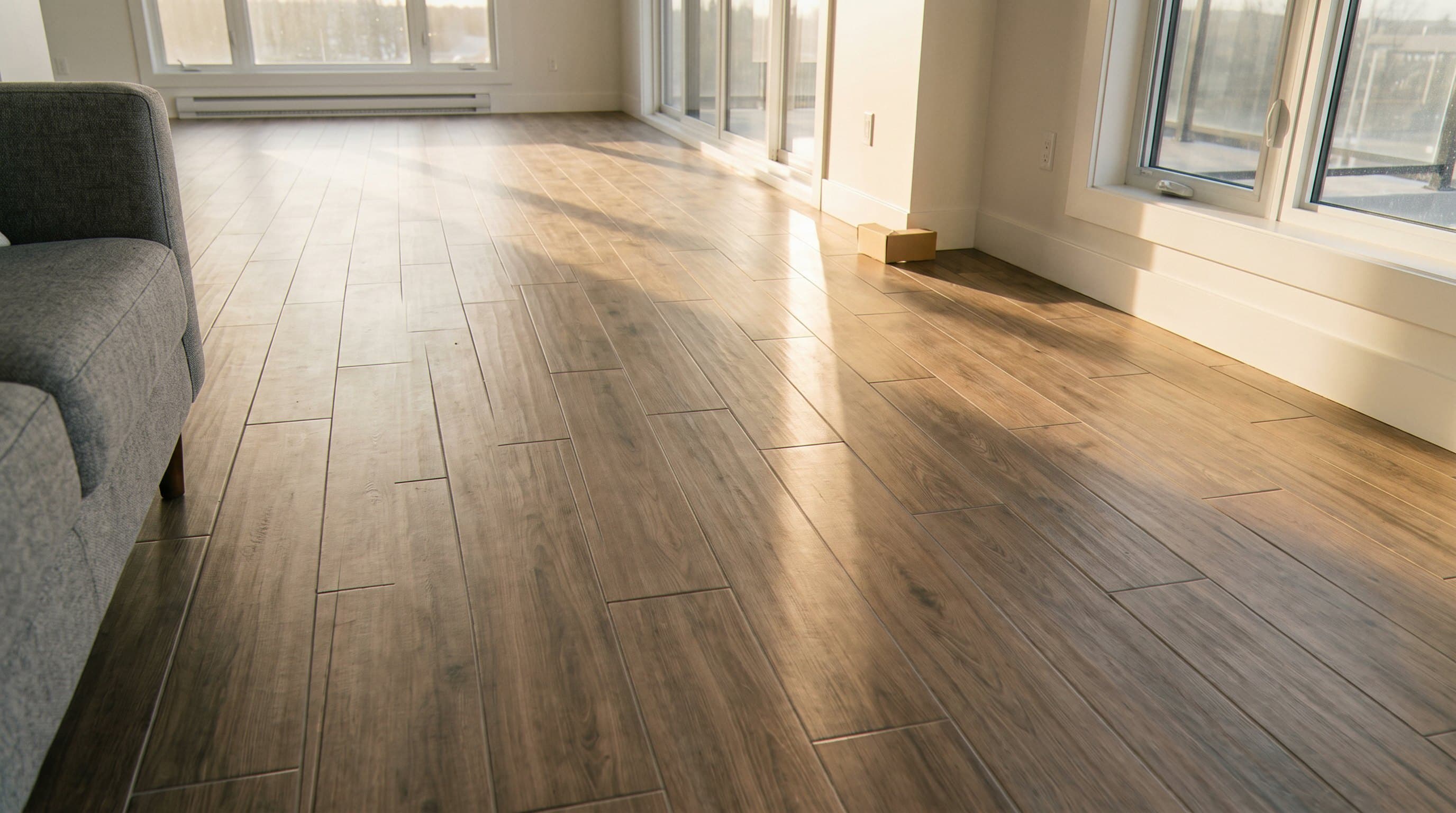
Tile floors that hold up to a Dearborn winter
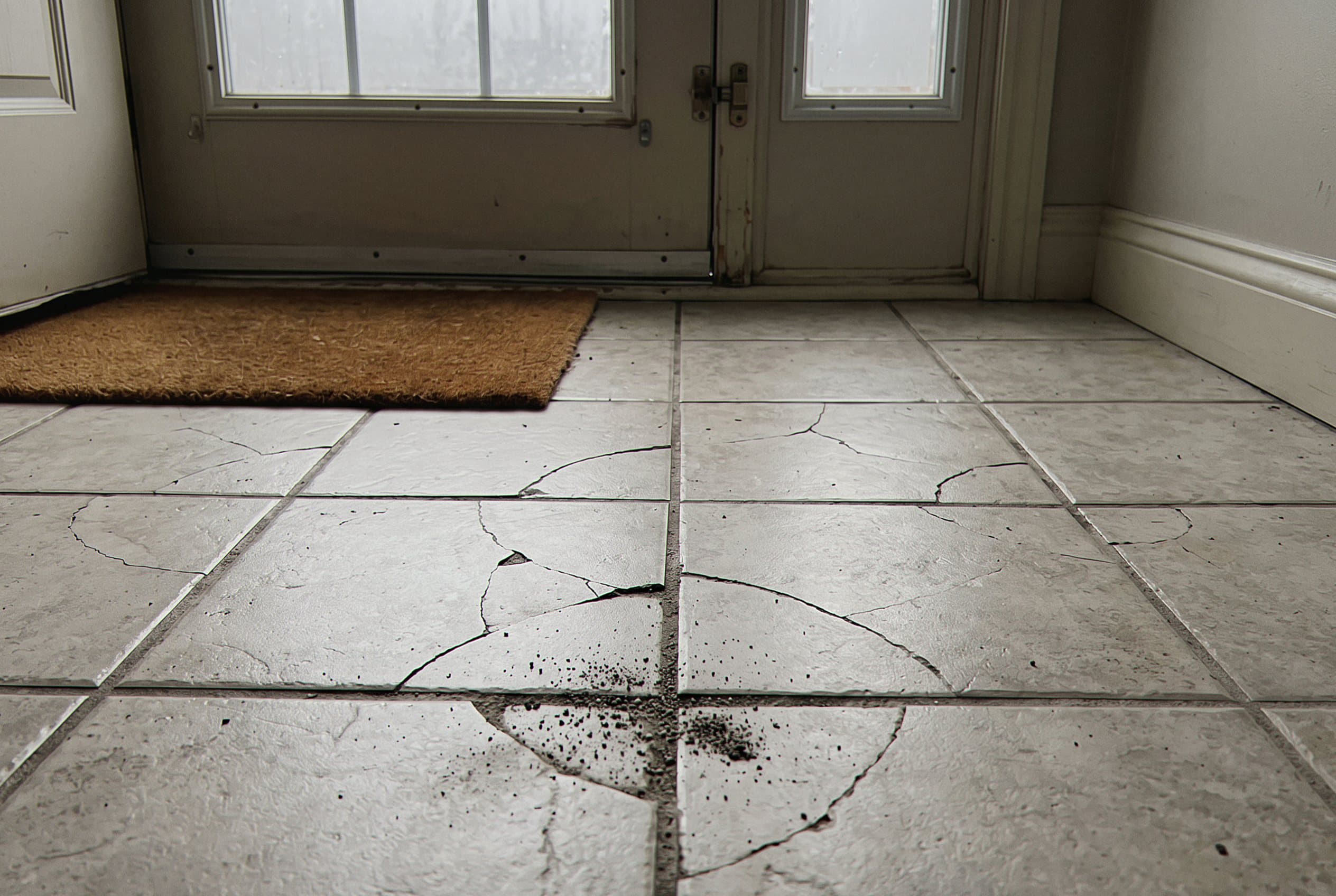
A tile floor in Dearborn takes a beating from November through March. Boots come in wet. Salt and grit ride in with them. Then the furnace runs all night and dries the house out again. Tile handles that better than almost any other floor, but only when the base under it is right. Plenty of homes here sit on wood joists framed in the 1920s and the 1950s. Those floors move. If we set tile straight onto a bouncy base, the grout cracks by spring. So we start under the surface. We check the span, add the right board or membrane, and flatten the floor before a single piece goes down.
Layout comes next. It is where a floor is won or lost, and it costs nothing to get right except patience. We dry set a run first so the cuts land where you want them, because nobody wants a thin sliver of tile at the kitchen doorway. We square off the longest sight line, usually the hall or the main run of the kitchen, and we work out from there. Once the layout reads right, we spread mortar in small sections and set each tile with full coverage under it. Hollow spots crack later. So we lift a tile now and then to check the back of it before the mortar sets up. Grout goes in after the mortar cures. Then we caulk the wall joints and the corners, where the floor needs a little room to move.
- A flat base first. We fix the dips and humps in your subfloor before any tile goes down, so the finished floor sits even underfoot.
- Cuts planned around your doorways, cabinets, and vents, so you never end up with a thin sliver of tile in the middle of a walkway.
- Full mortar coverage under every piece, checked as we go, because hollow spots are what crack a tile floor a year or two later.
- Movement joints at the walls and in long runs, which lets the floor grow in July and shrink in January without lifting on you.
- We clean up daily and keep one path through the house open, so your kitchen or hallway stays usable while we are working.
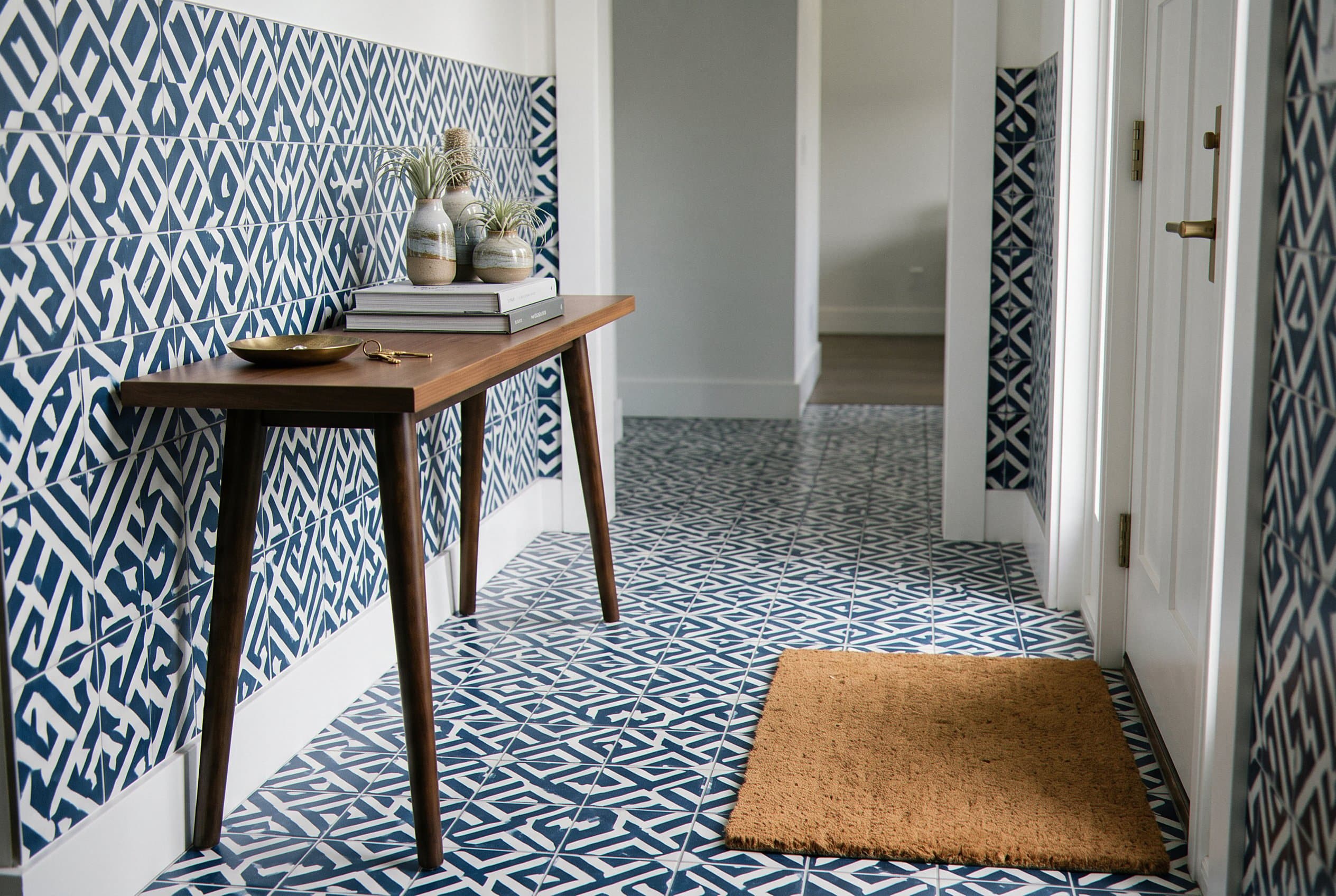
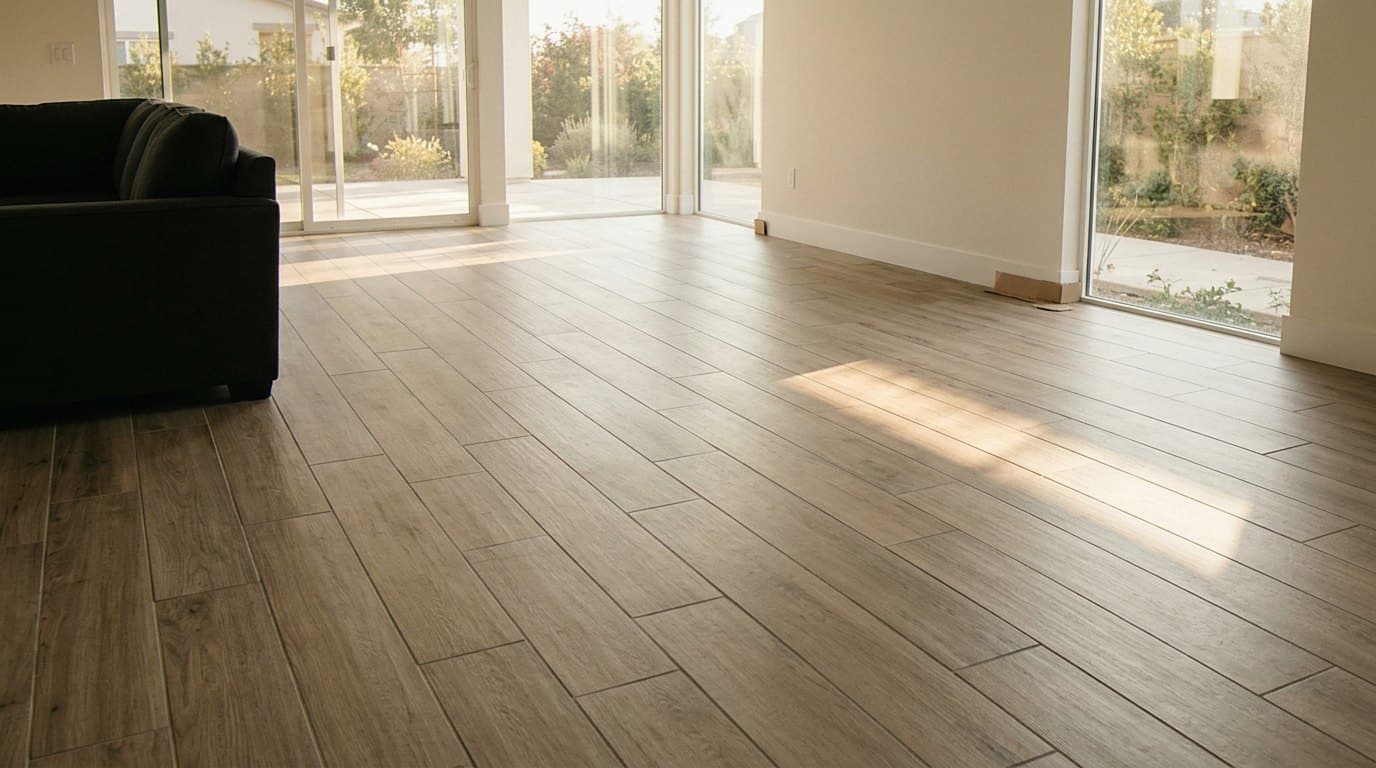
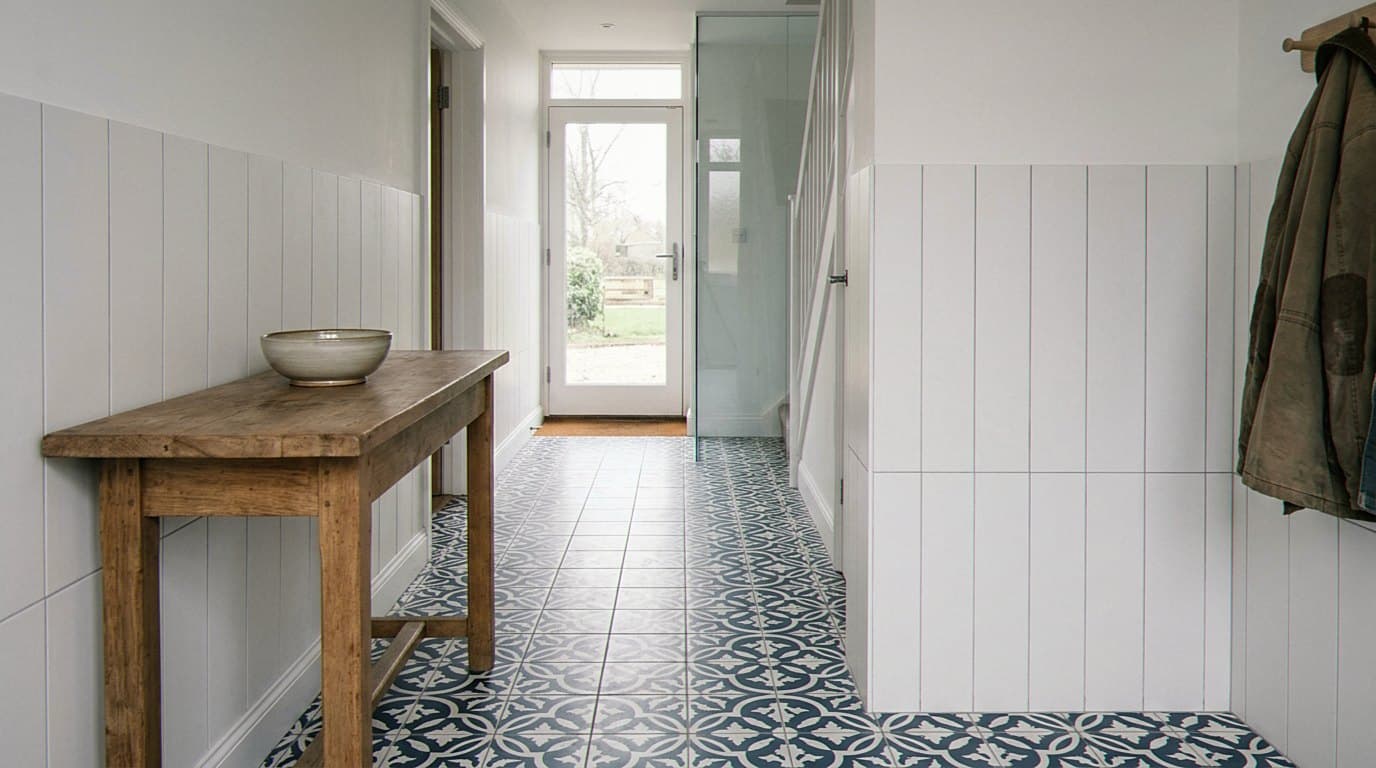
Most of the tile floors we set in Dearborn land in a few rooms. Side entries take the worst of winter, so we like a textured tile there with a grout color that hides grit. Kitchens want a floor you can stand on for an hour, so we talk through tile size and finish before anything gets ordered. Bathrooms need the wet areas handled right, with the membrane carried past the tub or the curb. Basement floors sit on concrete, which is a solid base once we check it for cracks and for moisture coming up through the slab. And if you want warmth underfoot, a heat mat can go in under the tile while the floor is open.
If you are weighing a tile floor for your Dearborn home, call us. We will come out, look at the room, and tell you what the base needs before we talk about tile at all. You will hear what we would do and why, in plain words. No pressure and no runaround. If tile is the wrong call for that room, we will say so.