Old tile out, new tile in, without wrecking the rest of your house
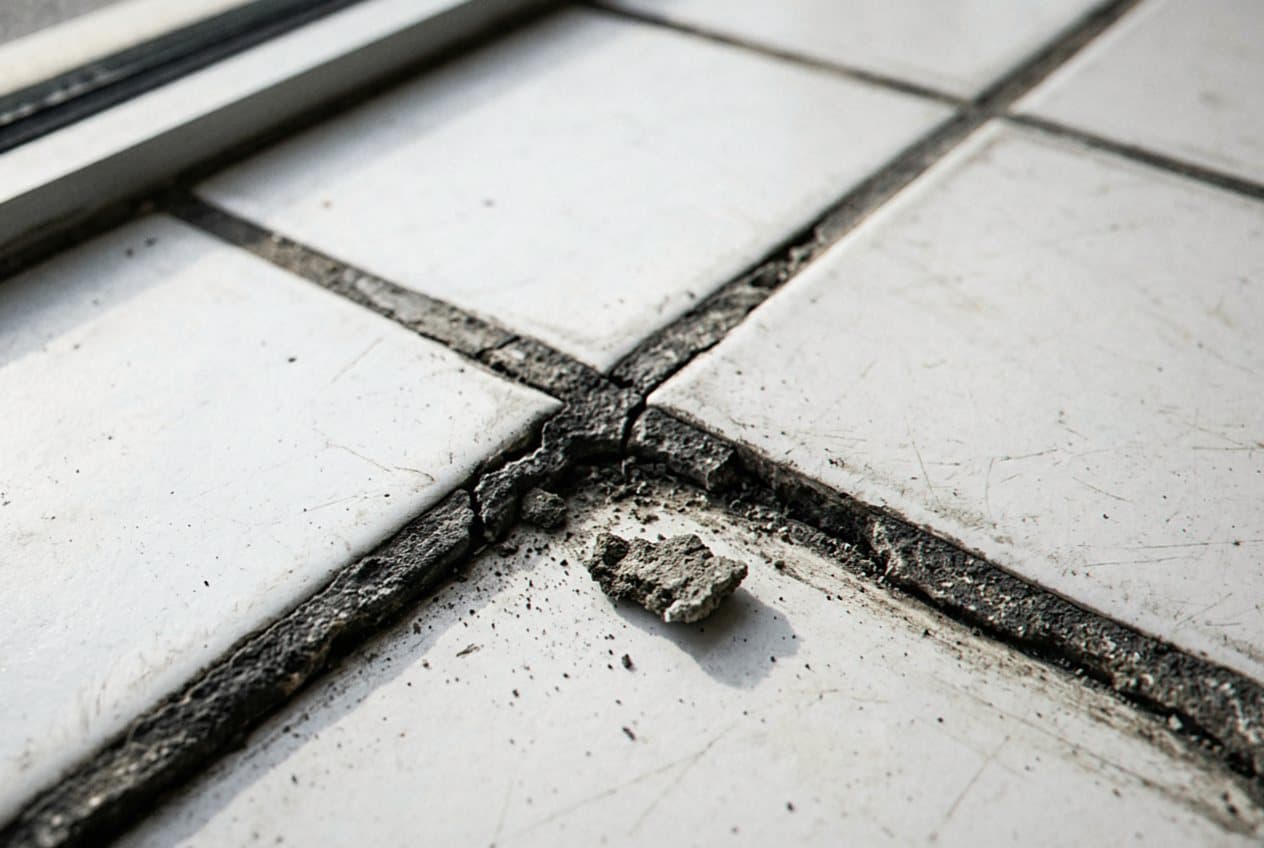
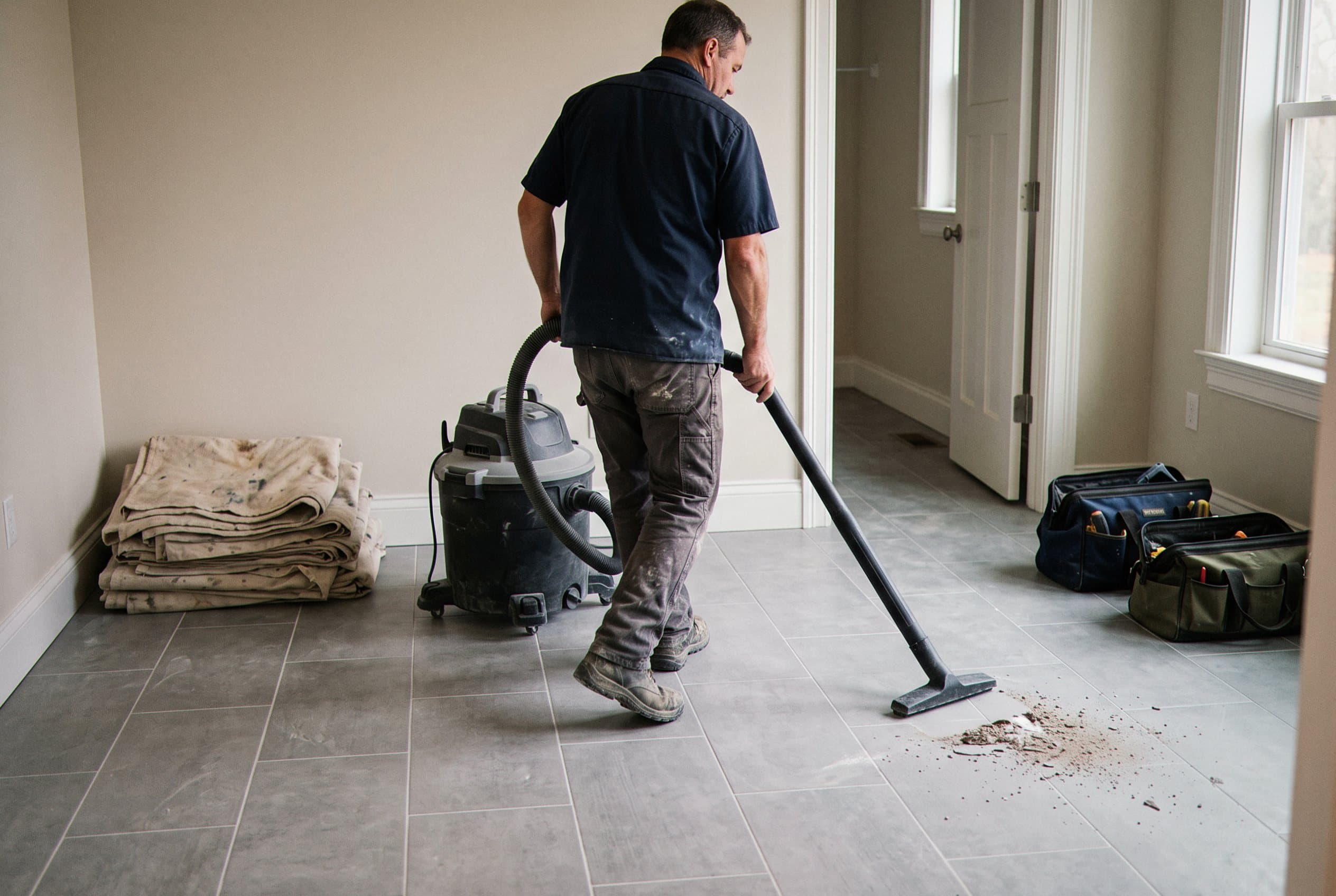
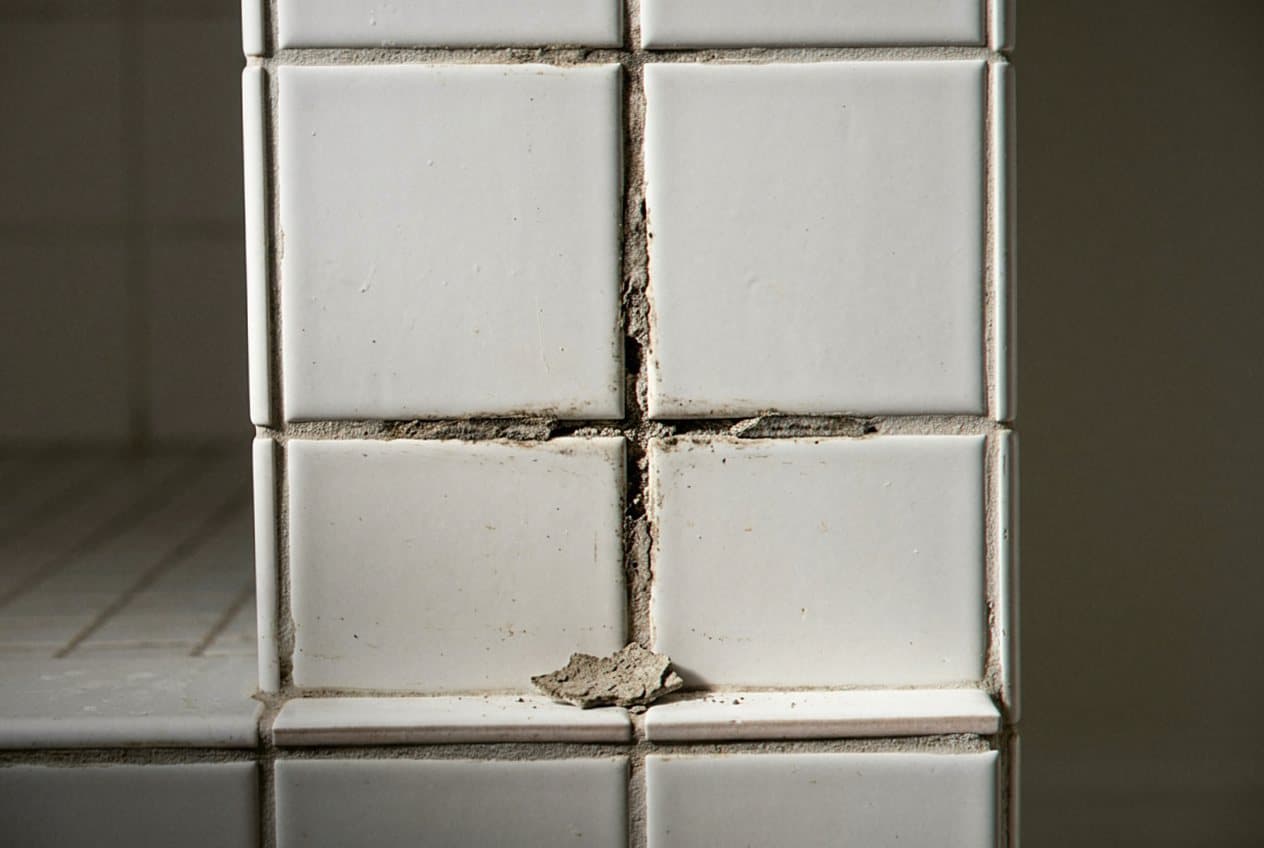
Taking out old tile is the messy half of this job, and it is the half most people guess wrong on. A bathroom floor that looks like one layer is often three. Tile on top, then a thick bed of mortar under it, then wire lath nailed down to the wood. Plenty of homes on the east side of Dearborn were built when that was simply how a bathroom got done, and that old mud bed can weigh a few hundred pounds on its own. It does not lift off with a putty knife. It comes out in chunks, with a hammer and a pry bar and a lot of hauling. So we plan the demo before we swing anything. We hang plastic at the doorway and tape off the return vents, because the last thing you want is the furnace pulling grout dust through every room in the house. We put board down the hall and out to the truck. We run a vacuum right at the work while we break tile, and we carry the debris out in buckets instead of dragging one big pile across your floor. By the end of that first day the room is empty, swept, and you can see bare wood or bare slab. That is when the real story shows up. Most of the time the base is sound and we go straight into prep. Sometimes it is not. A shower that leaked slow for years will have soft framing at the curb, or a joist under the drain that has gone dark and spongy. A kitchen floor with two layers of old vinyl buried under the tile has to lose a layer, or the new floor sits too high at the door and the door will not swing. We would rather find all of that on day one, with the room open and the tile gone, than guess at it through a finished floor and hope. The same goes for a backsplash. Tile pulled off drywall almost always takes paper with it, and behind an old kitchen backsplash we often find a patchwork of past repairs, a dead outlet box, or drywall so chewed up it needs a fresh sheet. None of that is a crisis. It is just work that has to happen before new tile, and it is easier to talk about honestly on day one than to hide behind a bead of caulk.
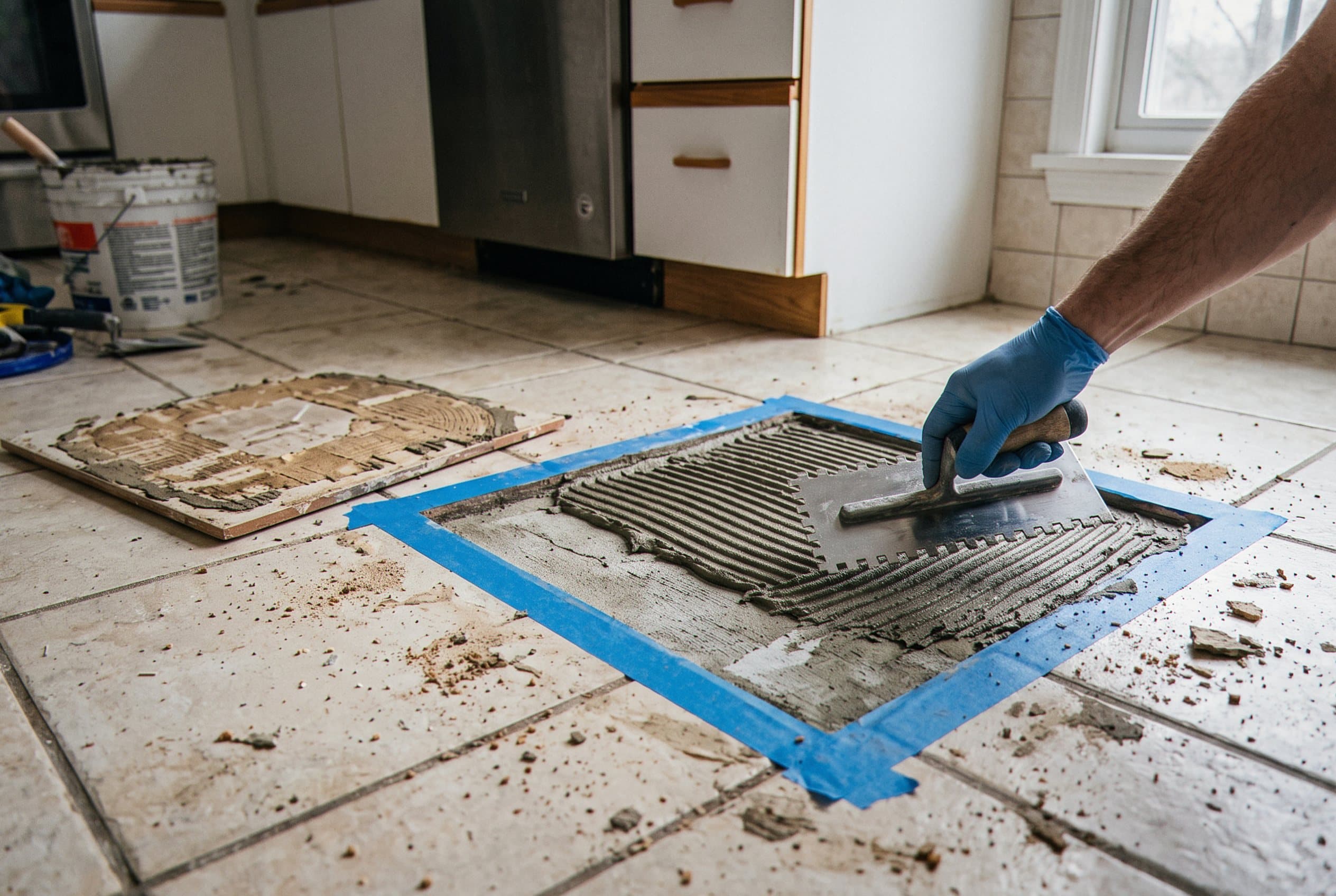
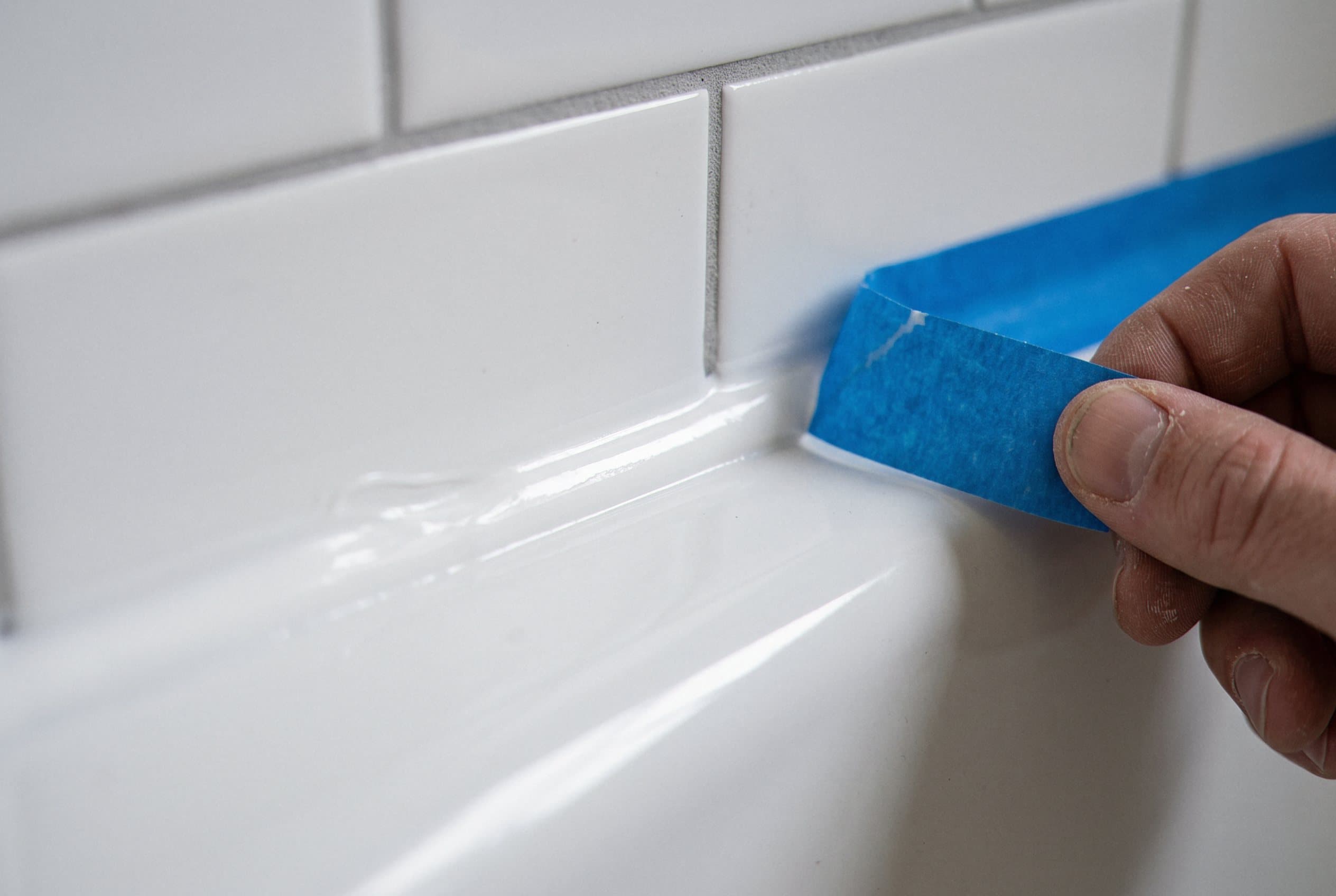
Once the room is stripped, we fix what needs fixing and then we build the base back up. That order matters. New tile is only as good as the surface it lands on, and no amount of care with the trowel makes up for a soft spot in the floor. If a joist is rotted at the shower drain, we sister it. If the subfloor is cupped or springy, we add a layer so the span stiffens up. On concrete, which is what we find in most Dearborn basements and in a lot of the newer slab additions, we grind off the old adhesive ridges and fill the low spots with a leveling compound so the whole field sits flat. Then comes the part that decides whether a wet room lasts. In a shower or a tub surround we set a waterproof layer over the backer before any tile goes on, and we carry it past the curb and up the corners, because water does not stop politely at the edge of the tile. We slope the pan toward the drain and we check it with a level, not with a guess. In a kitchen or an entry we set a crack isolation membrane over the slab, which lets the concrete move a hair in January without splitting your new grout lines. After that the tile work goes fast, and it goes calm. We dry lay a run so the cuts land where you want them. We keep full mortar behind every piece and pull one now and then to look at the back of it. We grout, we caulk the changes of plane, and we wipe the haze off the same day so it does not set up hard on the face of the tile. We also think about height while all this is going on. A new floor that sits a quarter inch proud of the old one can stop a door, trap a threshold, or leave an ugly gap at the toe kick of your cabinets. So we work that math before we pick the setting bed, not after the tile is down.
- Dust control we set up before the first tile breaks. Plastic at the doorway, the return vents taped off so the furnace does not push grout dust into your bedrooms, board down the hallway, and a vacuum running right at the work. You will still know we were there. You should not be finding gray film on your kitchen counters a week later.
- We look at what is under the old tile and we tell you what we find. Soft framing at a shower curb, a stained joist under the drain, two layers of old flooring stacked up where there should be one. You get a straight report the day we uncover it, with what it means for the work and for the schedule, not a surprise sprung on you at the end.
- The base gets rebuilt before any new tile goes down. That means sistering a weak joist, stiffening a springy subfloor, grinding old adhesive off a basement slab, and filling the low spots so the field sits flat. It is the least visible part of the job and it is the reason the grout is still tight three winters from now.
- Wet areas get waterproofed the way they should be. In a shower or tub surround we run a waterproof layer over the backer and carry it past the curb and up into the corners, then slope the pan to the drain and check it with a level. Water finds every shortcut. We would rather not leave it any.
- Old homes get handled with care, not speed. Was your house built before the early 1980s? Then the black adhesive under the floor gets tested first. We do not grind it or sand it until a lab tells us what it is, since EPA rules treat that dust as a real hazard. Nothing in your house gets torn out blind.
Age of the house changes how we work, and Dearborn has a lot of older houses. Brick bungalows and colonials off Michigan Avenue, ranches out toward the Dearborn Heights line, plus the postwar streets where the same bathroom layout repeats down the whole block. In a home built before the early 1980s, the black mastic under an old floor and some of the old sheet goods under it can contain asbestos. We do not dry grind that and we do not guess about it. We stop, and we have the material tested by a lab first, because EPA rules treat that dust as a real hazard and so do we. If it comes back clean, we go ahead. If it does not, the removal gets handled by an abatement crew before we set a single new tile. The other thing older homes hand us is out of square walls. A tub alcove framed in 1948 is rarely square today, and if we set a big tile straight off that back wall the grout line at the far corner will run wide by the time it reaches the ceiling. So we measure the room, find the wall that your eye lands on first, and lay the pattern to that. Rooms behave differently too. A shower is the hardest job on this list and the one where the waterproofing has to be right. A kitchen floor is more about height at the doorways and living without the room for a couple of days. An entry off the side door takes salt and slush all winter, so we lean toward a tile with grip and a grout color that hides the grit that comes in with your boots. Tell us which room you are dealing with and roughly how old the house is, and we can tell you what we usually run into in that exact situation.
Most of this work starts with one room you have stopped liking, or one grout line that finally let water through. Either way, the fix is the same shape. We come look at the room, tell you what we expect to find under the tile, and give you a clear picture of how many days the space will be out of use. Then we do the demo clean, repair the base, and set the new tile. A single bathroom floor usually comes out in a day and goes back in over the two or three that follow, since the mortar needs its own time no matter how fast the crew moves. A full shower or a big kitchen runs longer. We will tell you which one your room looks like before we start, and we will keep a clear path through the house the whole time we are in it. If you are in Dearborn, Dearborn Heights, Melvindale, Allen Park, or anywhere close by in Wayne County, call us or send a note about the room and we will get you on the schedule.